
ForgeFront3D: how it works, what we print, and how to get started
Learn what Forgefront 3D offers, how the quote process works, what materials are available, what files to send, and how Prague pickup and EU shipping work.
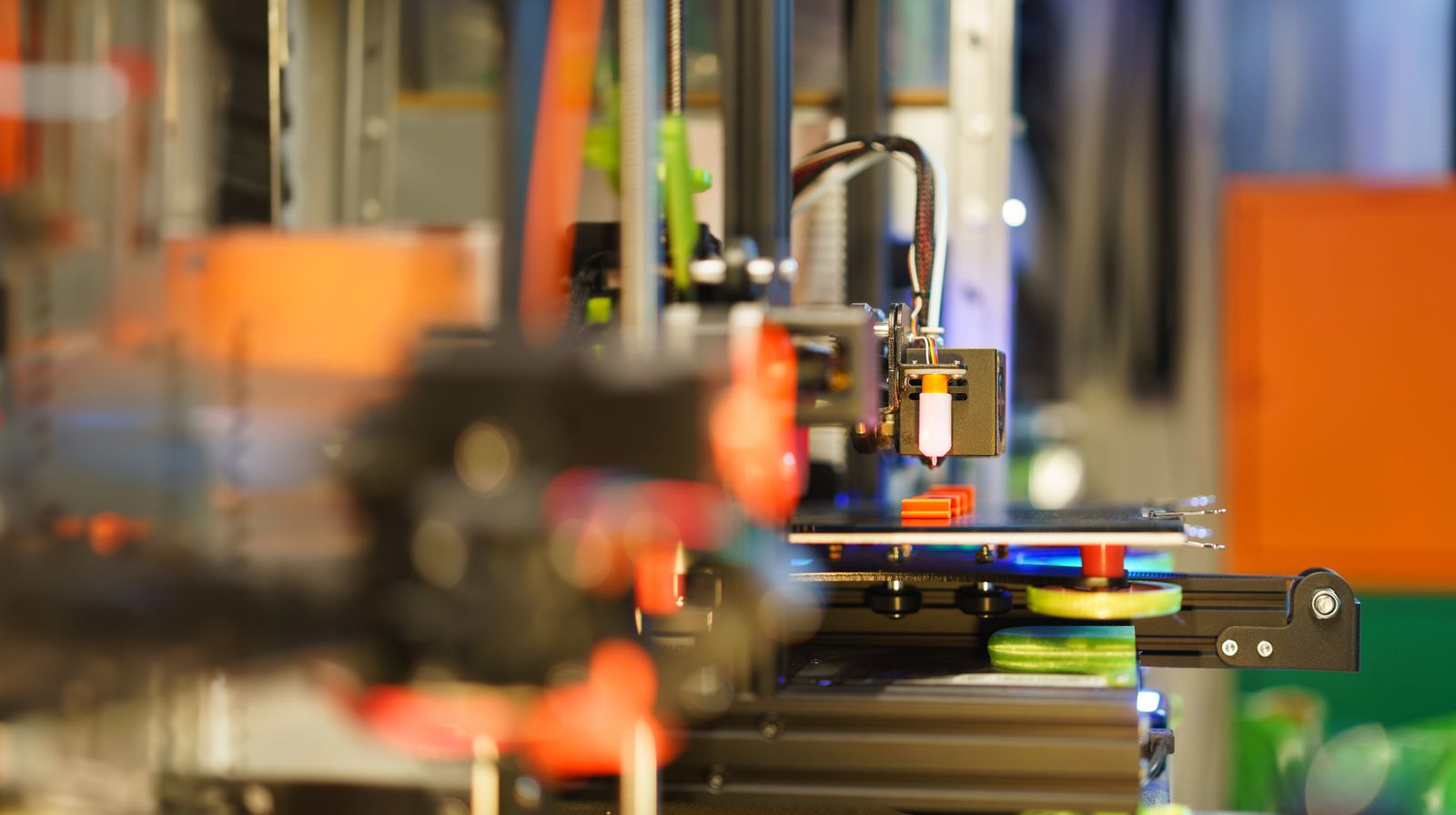
ForgeFront3D: how it works, what we print, and how to get started
Short answer: Forgefront 3D is a small 3D print-on-demand service for custom plastic parts, prototypes, replacement pieces, hobby projects, and small batches, with pickup in Prague and shipping across the EU.
The easiest way to begin is to upload your file and request a quote. If you do not have a file yet, you can still send a description, photos, dimensions, or a sketch.
What does Forgefront 3D print?
Forgefront 3D focuses on practical FDM 3D printing for people and small businesses that need useful parts without a complicated industrial procurement process. Common jobs include replacement parts, prototype enclosures, brackets, spacers, adapters, workshop fixtures, hobby components, cosplay pieces, project boxes, and low-volume business parts.
This is not a marketplace and not a giant manufacturing portal. The service is built around human review, clear communication, and practical recommendations.
One-off parts are welcome. Small batches are welcome. First-time customers are welcome. If the idea is rough, the first step is simply explaining what the part needs to do.
What materials are available?
The current material offering is PLA, PETG, and ASA. PLA is a good fit for affordable indoor prototypes, visual parts, and light-duty pieces. PETG is a tougher all-round material for many functional prints. ASA is useful for outdoor parts or jobs where UV and weather resistance matter.
If you already know which material you want, include it in the quote request. If you are not sure, ask for a recommendation. The right material depends on heat, load, outdoor exposure, finish expectations, and budget.
All FDM prints usually show some layer lines. Standard finish is suitable for many practical parts. Smoother finish expectations, cleanup, sanding, or assembly can be discussed depending on the part, but painting is not currently offered.
What files can you send?
Preferred file formats are STL, STEP, OBJ, and 3MF. STL is common for print-ready meshes. STEP is useful for CAD-designed functional parts. OBJ can work for sculpted or visual models. 3MF can carry richer print setup information.
If you have more than one format, send what you have. If the scale or dimensions are important, include approximate measurements in the notes. The current print volume is about 250 x 210 x 220 mm. Larger parts may need splitting and assembly.
If you do not have a file, Forgefront 3D can discuss creating one from scratch for an additional cost. Useful starting materials include photos, sketches, measurements, and the broken original part.
How does the quote process work?
First, you send the file or project details. Next, the job is reviewed for size, material, printability, finish, quantity, and deadline. Then you receive a quote and any practical recommendations.
Quote replies are typically sent within one business day. Production and delivery time depend on job size, complexity, queue, material, finishing needs, and shipping distance.
If a file needs adjustment, that is discussed before production starts. The goal is not just to print the file blindly. The goal is to make a part that has a good chance of doing what you need.
How do pickup and shipping work?
Pickup in Prague can be arranged for local customers. Shipping across the EU is also available. The best option depends on urgency, part size, and where you are located.
For very small jobs, pickup may be convenient. For customers outside Prague, shipping makes the service available without needing to visit in person.
Include your preference in the quote form so fulfillment can be considered with the job.
Who is this service best for?
Forgefront 3D is best for people who need replacement parts, hobby pieces, practical custom prints, simple prototypes, jigs, fixtures, and small batches. It is especially useful when you want a real person to review the job and answer questions.
It may not be the right fit for large industrial runs, metal parts, painted retail products, or processes outside the current material offering. If the request is outside scope, the quote conversation can still clarify what is possible.
What should you prepare before getting in touch?
If you have a file, prepare the file and any important notes. If you do not have a file, prepare the best reference information you can: photos, rough measurements, sketches, the broken part, or a clear description of the problem. Perfect documentation is not required, but context helps.
For functional parts, mention where the part will be used, whether it will be indoors or outdoors, whether it will see heat, and whether it needs to carry load. For visual parts, mention the size, color preference, and how clean the surface needs to look. For business parts, mention quantity and whether the design may change after the first version.
The quote process works best when the goal is clear. “Print this file” is useful. “Print this file for outdoor use, and the tabs must not snap” is much more useful. The extra context helps turn a print request into a part that actually solves the problem.
To get started, send your file or project notes here.
FAQ
Where is Forgefront 3D based?
Forgefront 3D serves customers in Prague with local pickup available, and can ship prints across the EU.
How fast will I get a quote?
Quote replies are typically sent within one business day. Production timing depends on the job.
Can Forgefront 3D help if I do not have a model?
Yes. Model creation from scratch can be discussed for an additional cost if you can provide photos, sketches, dimensions, or a clear description.