
PLA vs PETG vs ASA: which 3D printing material is right for your project?
Compare PLA, PETG, and ASA for strength, cost, durability, finish, heat resistance, and common 3D printing use cases.
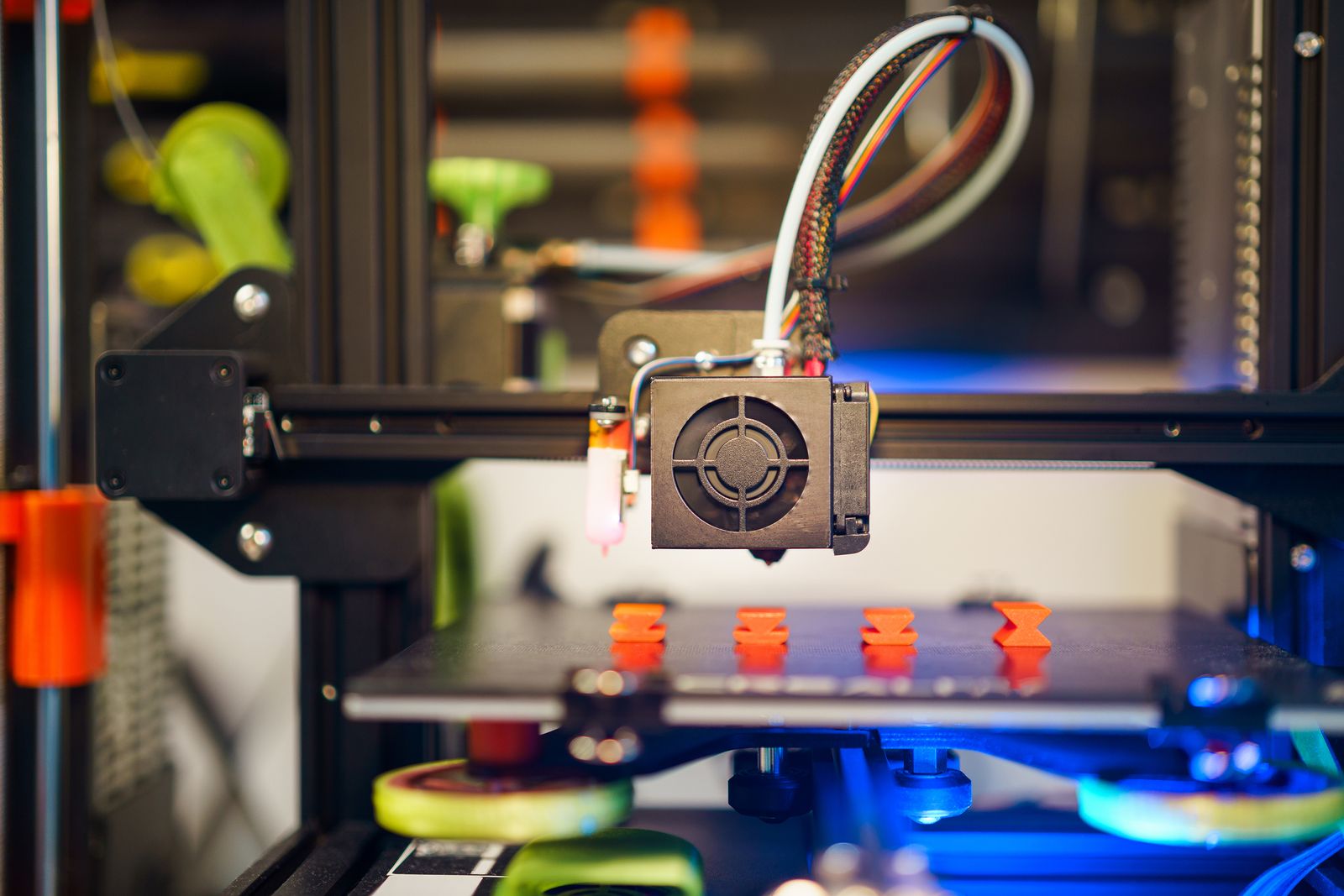
PLA vs PETG vs ASA: which 3D printing material is right for your project?
Short answer: choose PLA for affordable indoor parts and prototypes, PETG for tougher functional parts, and ASA for outdoor or higher-resistance parts. The right choice depends on heat, load, weather exposure, finish expectations, and budget.
Forgefront 3D currently offers PLA, PETG, and ASA. If you are not sure which one fits your part, choose the material recommendation option when you request a 3D print quote.
When should you choose PLA?
PLA is often the best starting point for simple 3D prints. It is usually cost-effective, prints cleanly, comes in many colors, and works well for prototypes, display parts, indoor brackets, organizers, light-duty enclosures, and models where appearance matters more than heat resistance.
PLA is rigid, which can be good for parts that should hold their shape. It can also produce crisp details and a clean finish. For first prototypes, PLA often makes sense because it lets you test size and shape without overpaying for properties you may not need.
The tradeoff is heat and long-term toughness. PLA can soften in hot environments, such as a car interior in summer or near warm equipment. It is also not the best choice for parts that will flex, take impact, or live outdoors.
Choose PLA when the part will be used indoors, will not see high heat, and needs to stay affordable.
When should you choose PETG?
PETG is a strong middle option. It is tougher than PLA, has better impact resistance, handles moisture better, and is often a good choice for functional prints. It works well for brackets, utility parts, workshop accessories, protective covers, containers, clips, and parts that need more durability than PLA.
PETG is not automatically the strongest possible material, but it is practical. For many real-world parts, it gives a good balance of cost, strength, and reliability. If you need one material for a useful everyday part and you are unsure what to pick, PETG is often a sensible recommendation.
The finish can be a little glossier than PLA. PETG may also show strings or surface texture depending on the geometry, but for functional parts that is usually acceptable.
Choose PETG when the part needs to do work, handle regular use, or be more durable than a visual prototype.
When should you choose ASA?
ASA is the stronger choice when outdoor performance matters. It is known for better UV and weather resistance than PLA and PETG. That makes it useful for outdoor brackets, covers, small equipment parts, housings, fixtures, and parts that need to handle sunlight or changing temperatures.
ASA is not necessary for every job. If the part will sit on a desk, PLA may be enough. If it will be used in a workshop, PETG may be enough. ASA makes sense when the environment is more demanding.
ASA may cost more and can require more careful print setup. That is part of why material choice should be reviewed with the actual part geometry in mind.
Choose ASA when outdoor use, heat resistance, or weather exposure are important.
How do PLA, PETG, and ASA compare?
PLA is usually the most affordable and easiest option. PETG is usually the practical functional option. ASA is usually the more demanding outdoor option.
For strength, the answer depends on the design as much as the material. A poorly designed ASA part can still fail, and a well-designed PETG part can work very well. Wall thickness, print orientation, infill, layer direction, hole placement, and load direction all matter.
For finish, all three materials will normally show layer lines because this is FDM printing. Standard finishing includes a practical print finish. Smoothing, cleanup, or assembly can be discussed where appropriate, but painting is not currently offered.
For size, the current printable volume is about 250 x 210 x 220 mm. Larger parts may need to be split and assembled.
What should you tell the print service before choosing material?
Explain where the part will be used. Indoors or outdoors? Near heat? Under load? Does it need to flex? Does it need to look good from a distance? Is it a prototype, a replacement part, or a final-use component?
Also include quantity, deadline, desired color, and whether pickup in Prague or EU shipping is preferred. Quote replies are typically sent within one business day, while production and delivery depend on the job size.
If you already know the material, include it. If not, upload your file and ask for a recommendation.
FAQ
Is PLA strong enough for functional parts?
Sometimes. PLA can work for light-duty indoor parts, but PETG or ASA may be better for impact, heat, outdoor use, or long-term functional loads.
Is PETG better than PLA?
PETG is usually tougher and more durable, but PLA can be cheaper, cleaner-looking, and easier for quick prototypes. Better depends on the job.
Is ASA worth it?
ASA is worth considering for outdoor or more demanding parts. It is usually unnecessary for simple indoor models.